A rough order of magnitude (ROM) estimate helps a team decide whether a wireless project is worth developing and what information to collect next. It should make uncertainty visible. It is an early planning range built from stated assumptions, rather than a final radio layout or installation commitment.
You can begin before a complete floor plan exists. Start with the work the network must support, the area it must serve, and the information you can verify. Keep unknowns attached to the estimate so that a useful first conversation does not become an unsupported promise.
Describe who or what needs connectivity and where. “Wireless for a warehouse” leaves too much open. A more useful brief separates handheld scanners in aisles, office users, fixed cameras, and moving equipment. For each group, record the application, device count, operating areas, and periods of simultaneous use.
Ask which requirement has already been agreed with the customer and which still needs validation. Coverage, capacity, mobility, and application performance are different questions. A device count alone does not determine how many radios the project needs.
Collect the site address, approximate boundaries, building count, floor count, available drawings or photographs, and major obstacles. Note whether the project spans indoor and outdoor areas. Record existing wireless infrastructure and any known constraints on installation, cabling, power, or access.
Label each input as confirmed, estimated, or unknown. An approximate building outline may support an initial scope discussion, while missing ceiling heights, material information, or equipment positions can materially change the engineering work that follows.
Complete one worksheet per site or distinct operating area. Add a source or owner for each assumption so another person can review the estimate without reconstructing the conversation.
Build a baseline around your most defensible assumptions. Then identify the few uncertainties that could change the result: an additional floor, a larger outdoor service area, a different device requirement, or installation restrictions. Change those assumptions explicitly in the alternate scenarios.
A useful range has reasons behind it. Avoid adding an unexplained percentage to a single number and calling the result conservative. Show what changes between scenarios and which missing fact would narrow the range.
Keep equipment, engineering, installation, field validation, and recurring services visible as separate scope categories. A preliminary hardware list does not establish the complete deployment cost. Use current supplier or service estimates where available and mark unquoted items clearly.
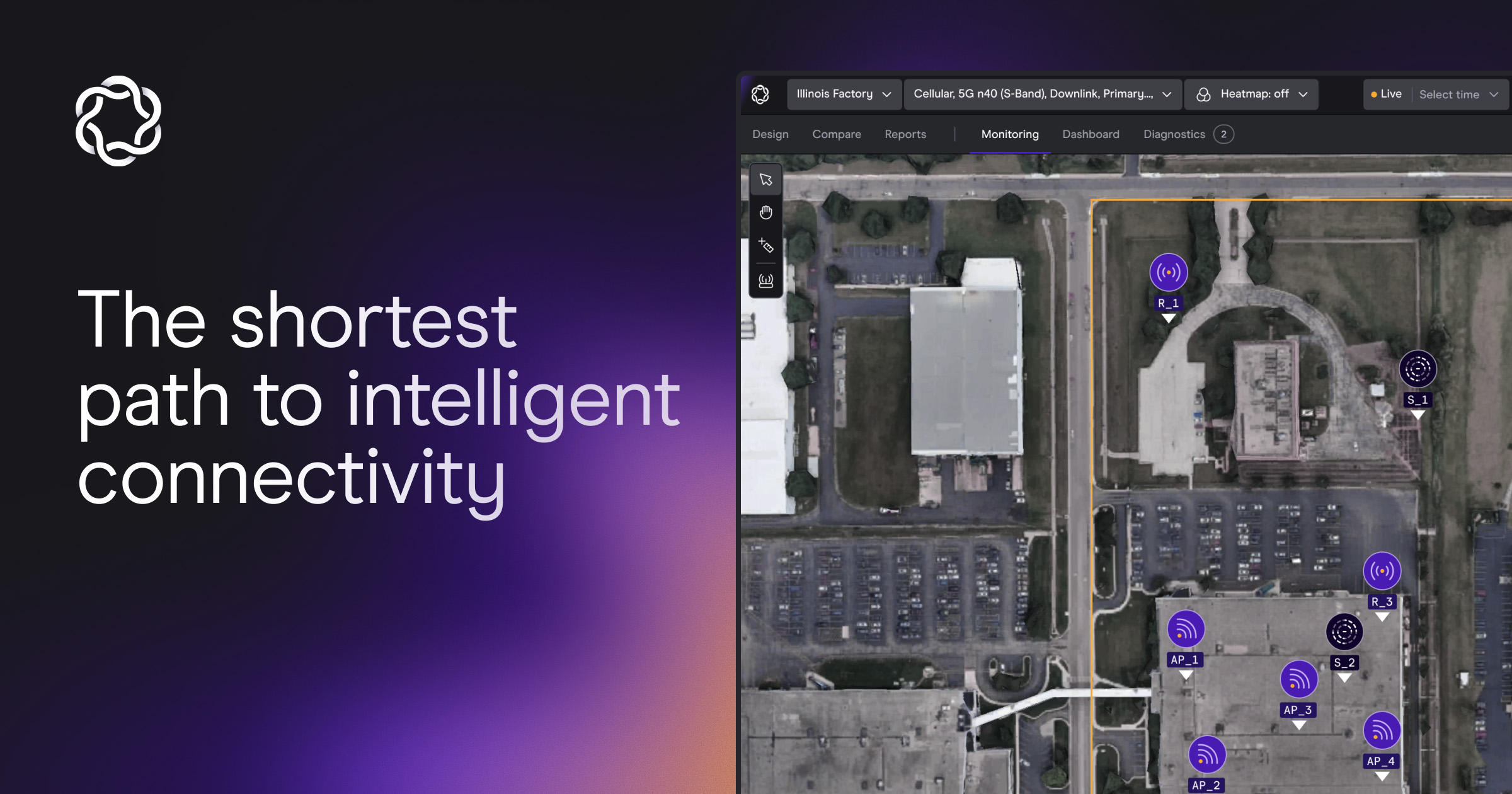
A visual proposal helps stakeholders spot a misunderstood boundary or an omitted operating area. Eino’s network proposal workflow supports rough designs with a 3D view, coverage analysis, and a bill of materials. These outputs can make the next engineering questions more concrete.
The quality of the initial proposal still depends on its inputs. Record the model assumptions alongside the visuals, explain what has not been checked, and identify the evidence needed before treating the design as ready for deployment.
Finish the ROM with a short decision record: the proposed scope, the range and its drivers, the exclusions, and the next validation step. Set a date for revisiting it when drawings, requirements, or site conditions become clearer.
The next step might be a representative-file review, a site visit, a detailed predictive design, or a measurement exercise. Choose the step that resolves the largest consequential uncertainty. A useful ROM earns its place by helping the team make that decision with its assumptions in view.
Review a live project brief with eino.